Configuring task details
The task details component shows the properties of your jobsJobA high-level container, comparable to a project, that bundles related tasks together with common information such as customer, billing, and address., tasksTaskA unit of work that belongs to a job. It appears in the open task list until it is scheduled to a resource. and appointmentsAppointmentA task scheduled to a resource for a specific period - the scheduled instance you see on the planning board.. This guide walks you through configuring it: which fields appear, how they are grouped, and in what order.
Pane contents setup
Navigation
Configure the task details component in the "Pane Layouts" settings view:

The view has two distinct sections:
- The list of supported fields
- The order and grouping of the fields shown in the task details grid
The tree on the left-hand side is static and cannot be modified. When Dime.Scheduler is installed for the first time, the tree on the right-hand side already contains a few fields. For example, the first group shows essential information like the job and task numbers:

You are free to change these values. Everything except the number of groups can be customized:
- The name of the groups
- The sequence of the groups
- Which fields are selected and which groups they belong to
- The sequence of the fields inside a group
Adding fields
Start by adding some fields. We'll use the empty "Group 14" to show information about the appointments and their underlying tasks.
- In the "Fields" tree, expand the "Appointments" node. Click the arrow, or select the node and press the right arrow key.
- Navigate to the "EndDate" item.
- Click the record and hold it while you drag it over Group 14.
- When you reach the right group, release the mouse to drop the field.
Here it is in action:
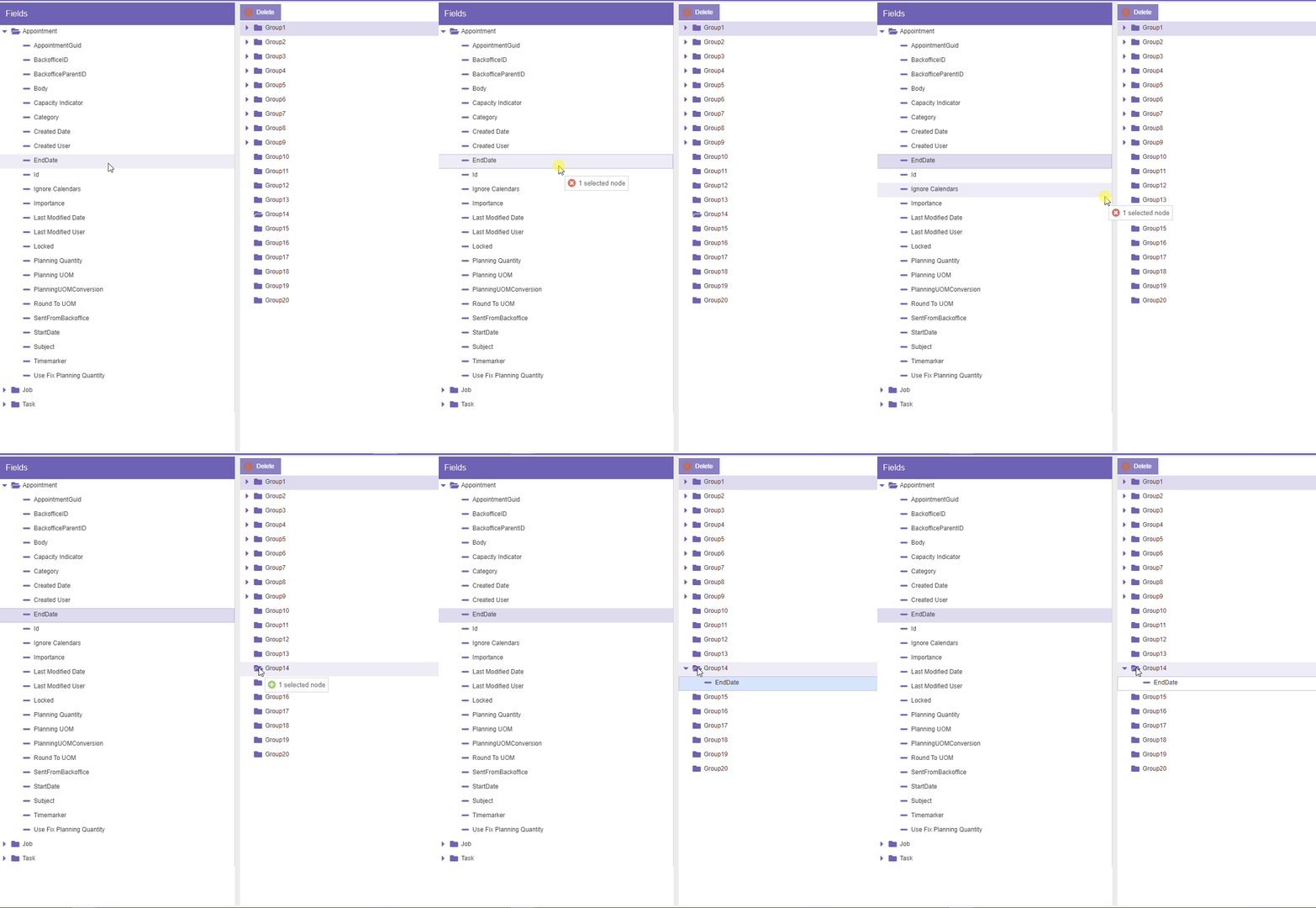
Do the same for the start date. This time the group already contains an item, so you need to decide where the new field goes. For the start date, it's best to place it before the end date. The drag and drop functionality gives you a visual cue that shows exactly where the record will land.
Drop it here to place it above the end date:

Drop it here to place it below the end date:

As planned, drop it above the end date in the first position:
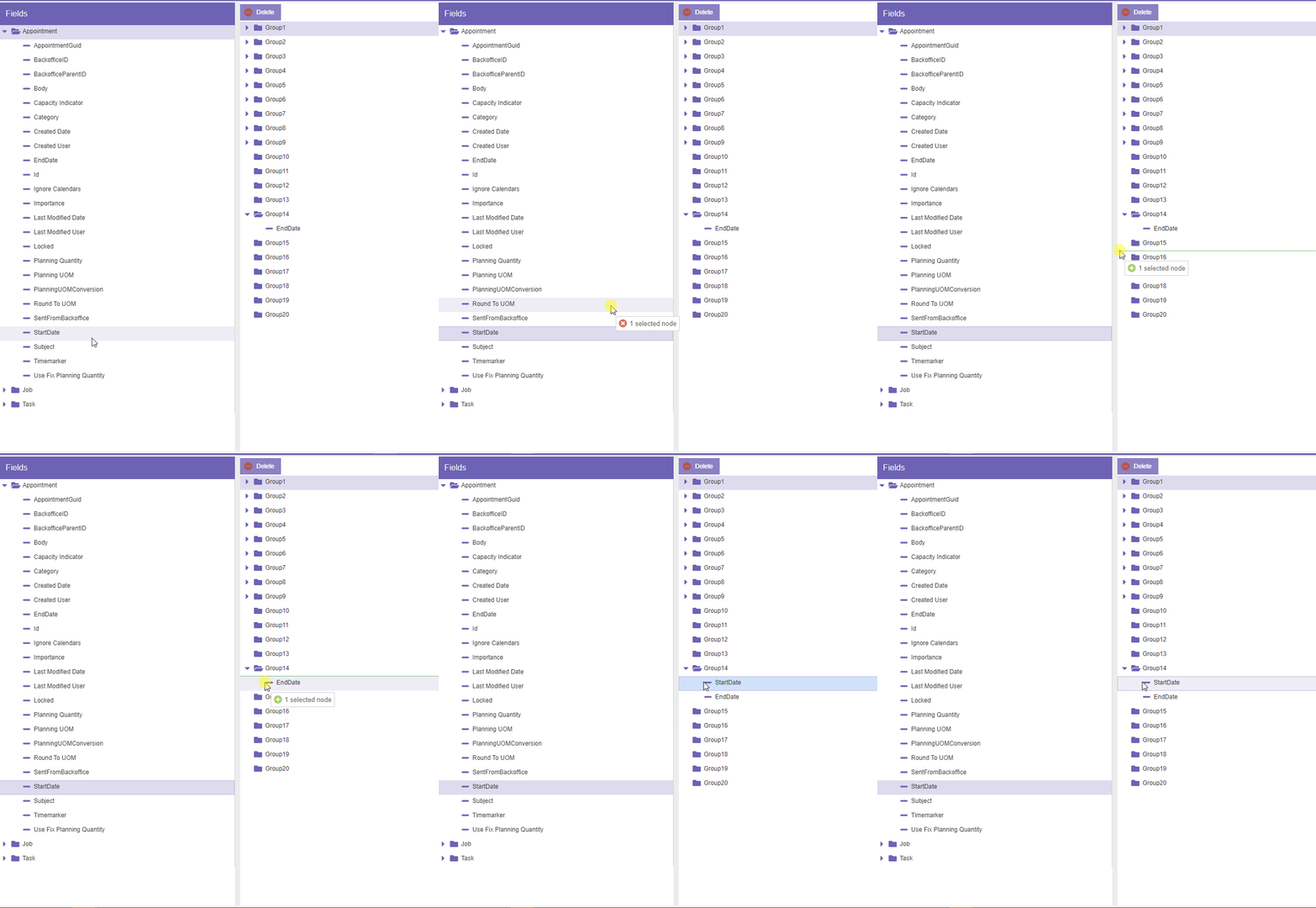
You can keep adding fields, but let's finish this section with a job field and a task field. We'll choose the two most commonly populated fields: Task No. and Job No. The fields may show different captions; we'll cover that later, or you can jump straight to the corresponding guide on customizing columns.
Group 14 should now contain 4 fields:
- Start date (Appointment)
- End date (Appointment)
- Task No. (Task)
- Job No. (Job)
Removing fields
Remove a field from the tree on the right-hand side in one of two ways:
- Select the record and click the "Delete" button.
- Select the field and press the "Delete" keyboard key.
Like every other action in this view, changes are saved instantly and automatically.
If you use the default data that Dime.Scheduler provides, Group 1 already contains a Job No. field. Remove it from Group 1:
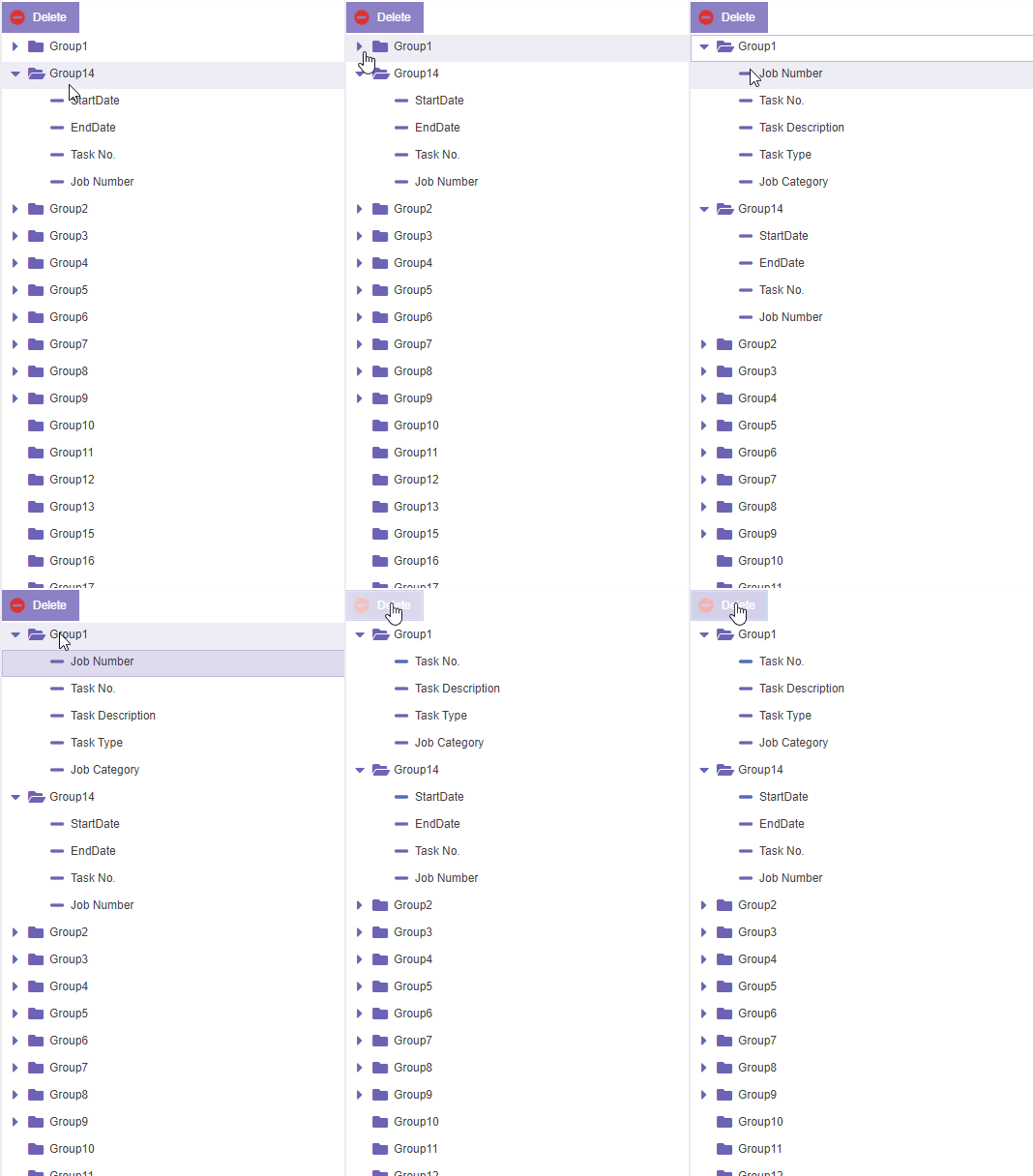
Group sequence
Just as you can reorder the fields within a group, you can reorder the groups themselves. The method is the same: drag and drop. Move Group 14 near the top:
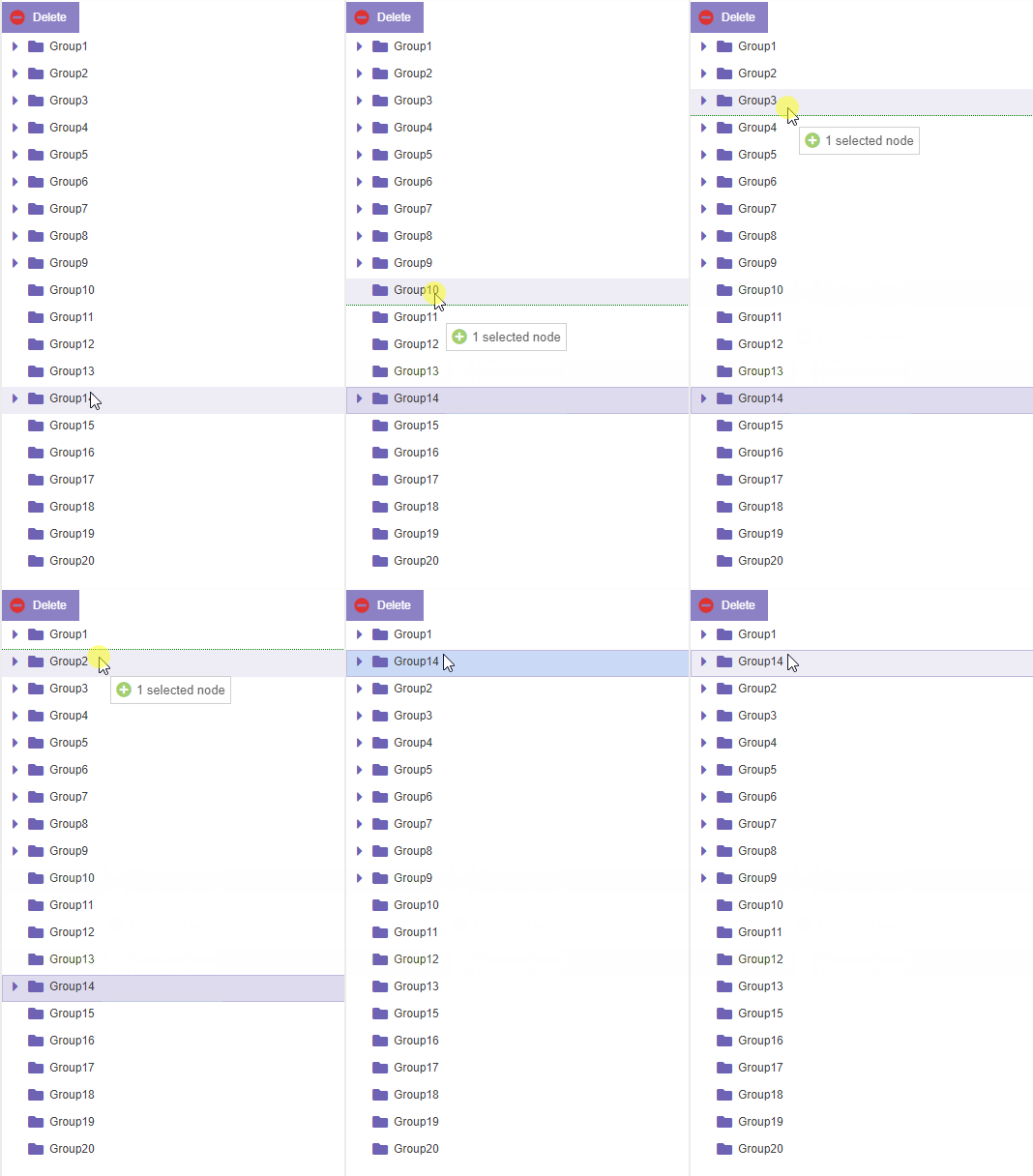
Localization
The default naming convention doesn't tell you much about a group. Change the group captionsCaptionThe label shown for a field or entity in the interface, translatable per language. A tenant that calls jobs "projects" changes the caption, not the data model. in the localizationLocalizationThe settings page that translates captions, maps localized country names to ISO codes for geocoding, and sets date and decimal formatting per language. settings view:

In the translations grid, filter the context group by "TARGETPANEGROUP". The filter lists only the contexts your tenant actually has fields for, so if the option is missing you have not laid out a pane yet: do that first and the context appears.

This returns a list of 20 records, one for each group in the tree in the pane layoutsPane layoutThe configuration of the fields and groups shown in the details component, maintained on the Pane Layouts settings page. settings view.
Now give the groups meaningful names. Select group 14 in the grid and add a caption. Be sure to select the correct language:

Validate
Validate localization
Go back to the pane layouts settings view. "Group 14" now shows its new name:

Validate task details
In the planning viewPlanning viewThe main screen of Dime.Scheduler, where a profile lays out the components a planner works with. A new tenant has none until a profile is created or applied from a template., make sure the profile includes a task details component. The renamed group appears here as well:

Validate task details data
Create a manual appointment on the planning boardPlanning boardThe main graphical scheduling surface where dispatchers drag tasks onto resources across a timeline. and select it. Only the start and end date are populated:

This is expected, because the appointment has no task or job.
The same holds for open tasksOpen taskA task that has not been scheduled yet. It waits in the open task list to be placed on the planning board.: there's no data for the appointment fields, so they are skipped:

For an appointment created from the open task grid, all data is available:

Conclusion
This guide covered the setup of task details: adding fields to groups, changing the order of fields and groups, and localizing the groups. There's more you can do. Fields can also be localized and formatted (for dates and numbers). To learn more, check out the guide on customizing columns.
You've already seen this in action with the Job No. field:
